Electricity Market Design
Electricity market design sits at the intersection of economics and engineering, and is critical to the net-zero transition. From an economics perspective, electricity markets determine the transactions and incentives that drive investment, efficiently allocate scarce capacity, and enable new business models. From an engineering perspective, they provide the coordination mechanisms that ensure physical power balance and network feasibility across locations and timescales.
Our research on market design aims to enable the large-scale integration of renewable generation and distributed demand-side flexibility. We bring an engineering and computational focus to these problems, rigorously addressing power network constraints, uncertainty, and the strategic behaviour of market participants. This is inherently multidisciplinary work, and we collaborate closely with researchers from economics, operations research, and social science. We aim to provide new market designs and evidence-backed analysis to system operators and policymakers that help navigate the complex trade-offs between system objectives. Prof. Morstyn is a member of NESO’s Expert Panel on Balancing, Settlement, and Dispatch reforms, and was previously part of the Government’s Review of Electricity Market Arrangements (REMA) Challenge Group.
Key Research Streams
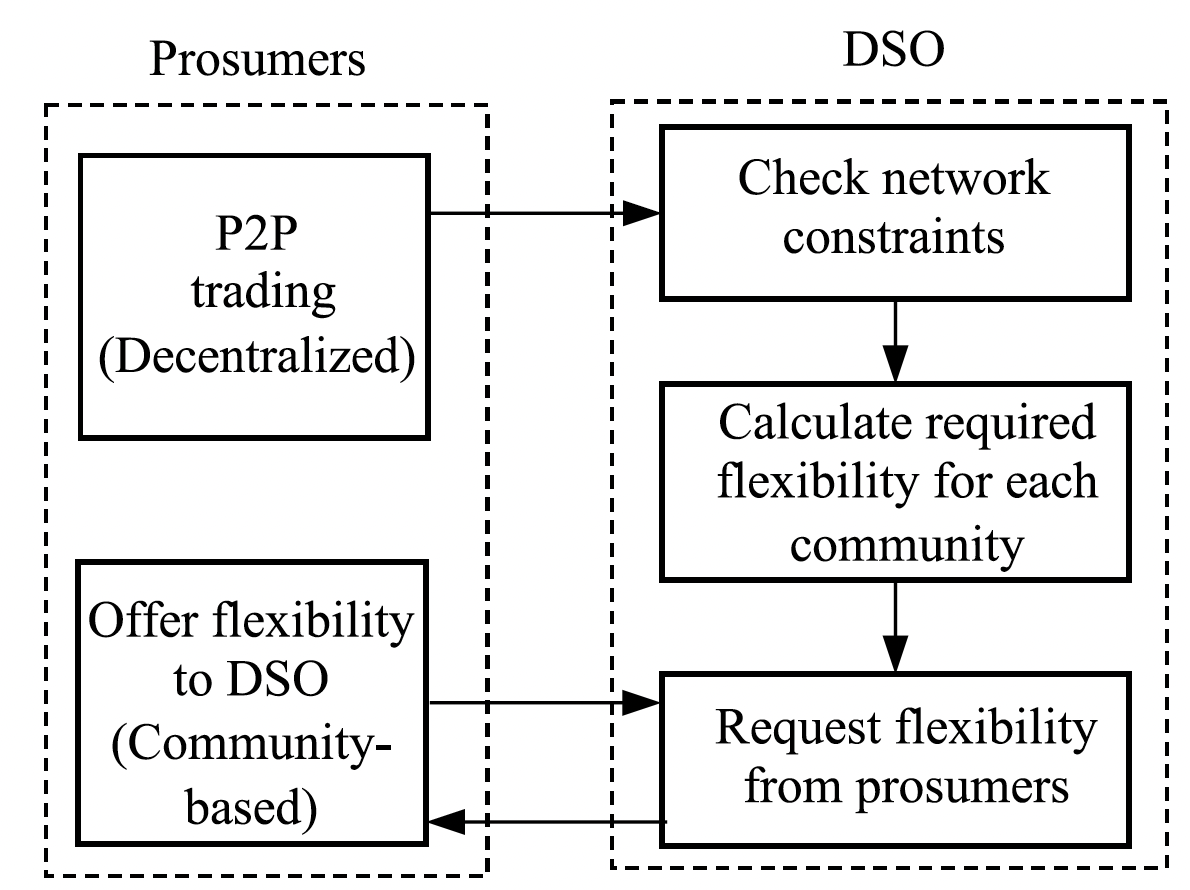
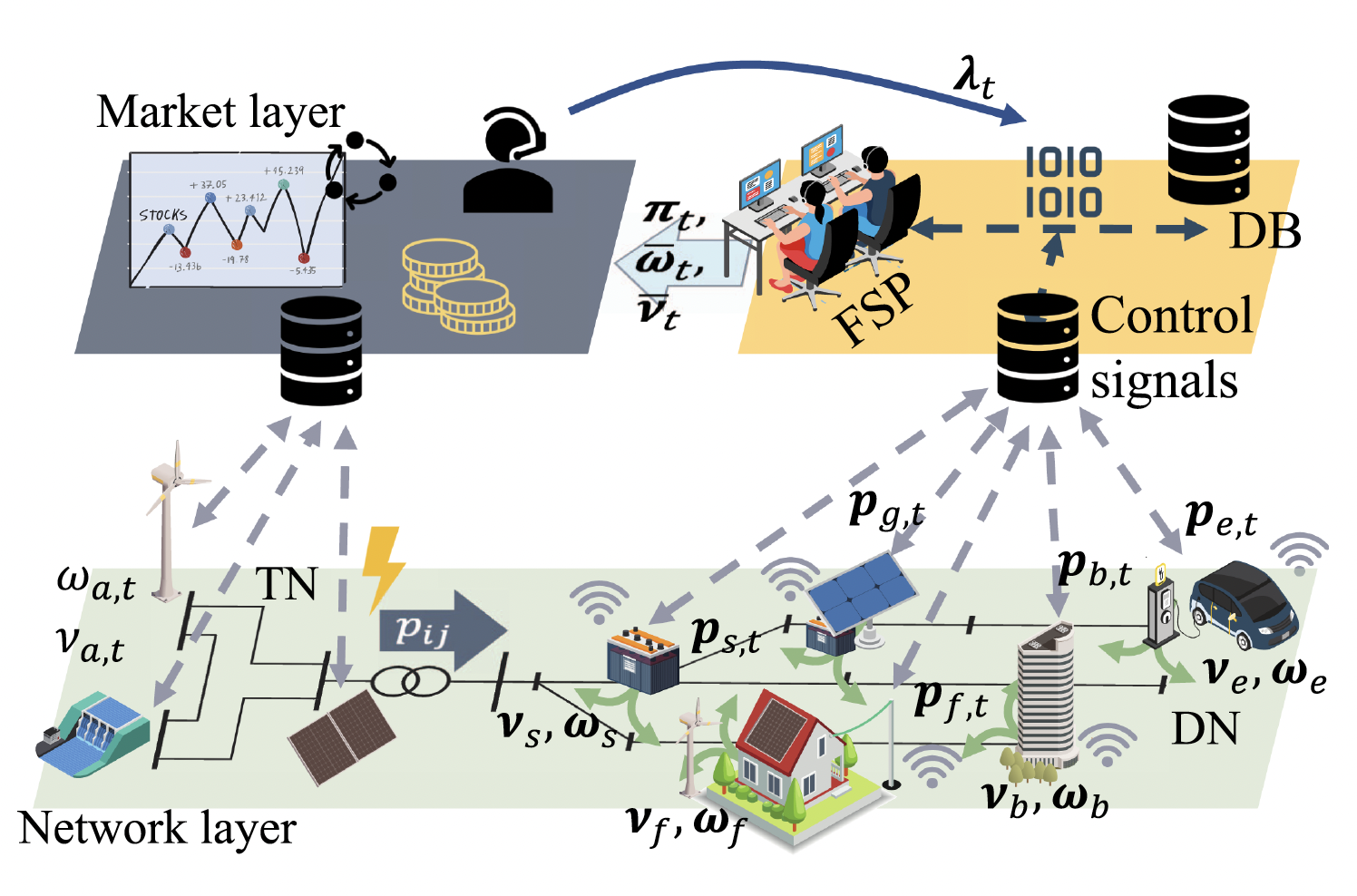
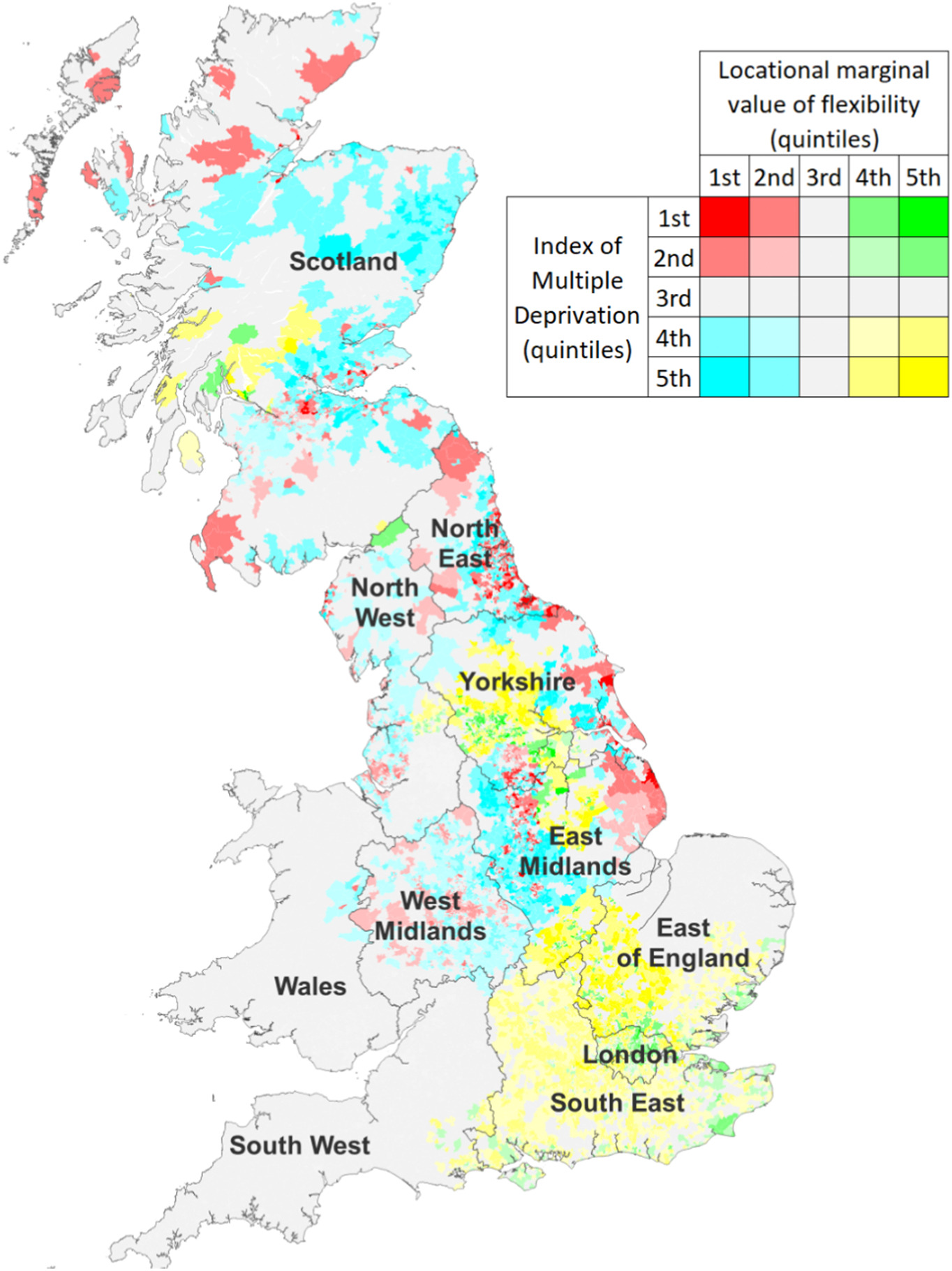
Market Design for Grid-Edge Flexibility: The rollout of millions of flexible grid-edge devices, including electric vehicles, heat-pumps and home/community-scale batteries, motivates the design of new market mechanisms which can coordinate these privately-owned assets while respecting network constraints. We have developed a scalable decentralised architecture for local flexibility markets (Morstyn et al., 2018), and shown how uncertainty can be incorporated into local flexibility procurement (Essayeh et al., 2025). We have also developed scalable optimisation approaches for flexibility aggregator revenue stacking across multi-scale markets (Paredes et al., 2023). In (Savelli & Morstyn, 2023) we identified priority regions in Great Britain where the rollout of demand-side flexibility could offer high system value while simultaneously reducing economic deprivation.
Peer-to-Peer (P2P) Energy Trading: Our work first introduced networked matching theory as a mathematical framework for designing decentralised energy markets (Morstyn et al., 2018). Using this framework, a computationally scalable price-negotiation mechanism enables participants to reach a competitive equilibrium using only local decisions and P2P communication between trading partners. We have extended this work to also incorporate multi-product P2P trading (Morstyn & McCulloch, 2018), decentralised management of network constraints and uncertainty (Morstyn et al., 2019), and integration with local flexibility markets (Khorasany et al., 2022). In (Morstyn et al., 2018), we proposed the federated power plant concept, which enables virtual power plants to be formed bottom-up through P2P transactions.
Cooperative Game Theory for Energy Coalition Formation: Cooperative game theory provides rigorous tools for designing fair and game-theoretically stable profit-sharing mechanisms. Our work proposed and developed cooperative game theory to support optimal energy management between prosumers with diverse energy resources sharing a local network (Han et al., 2018). Computational complexity is normally a key challenge for these mechanisms, which we have addressed through novel approaches based on stratified sampling (Han et al., 2021) and clustering (Han et al., 2020).
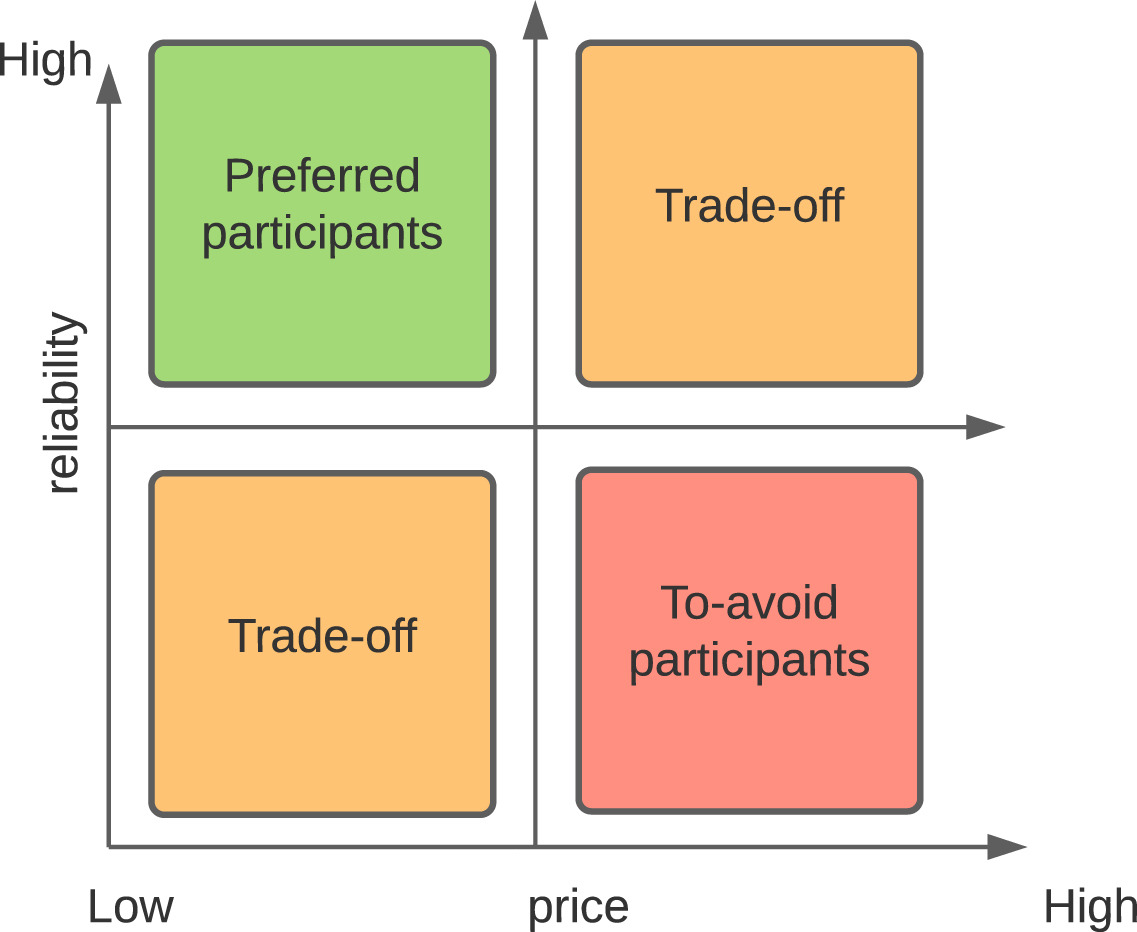
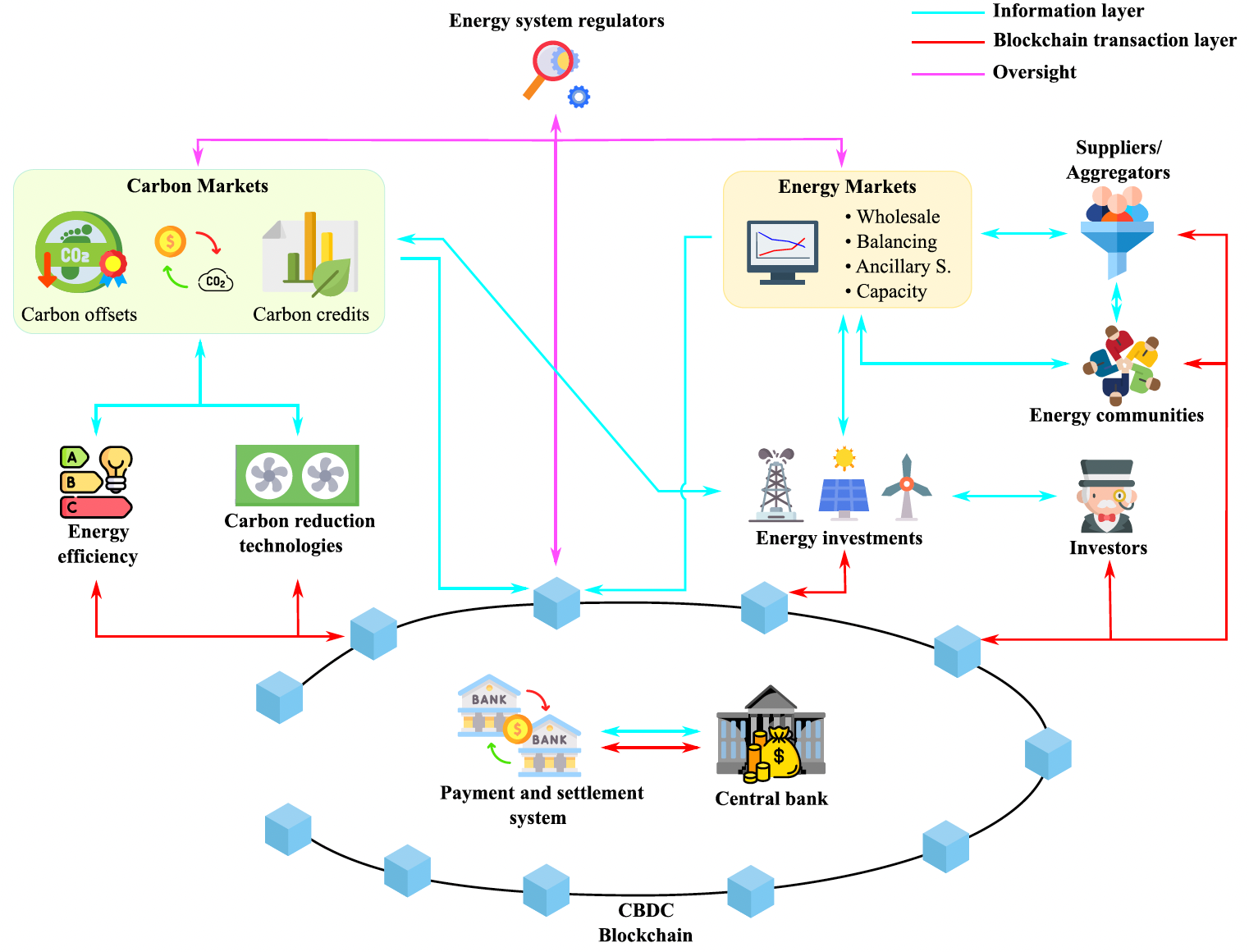
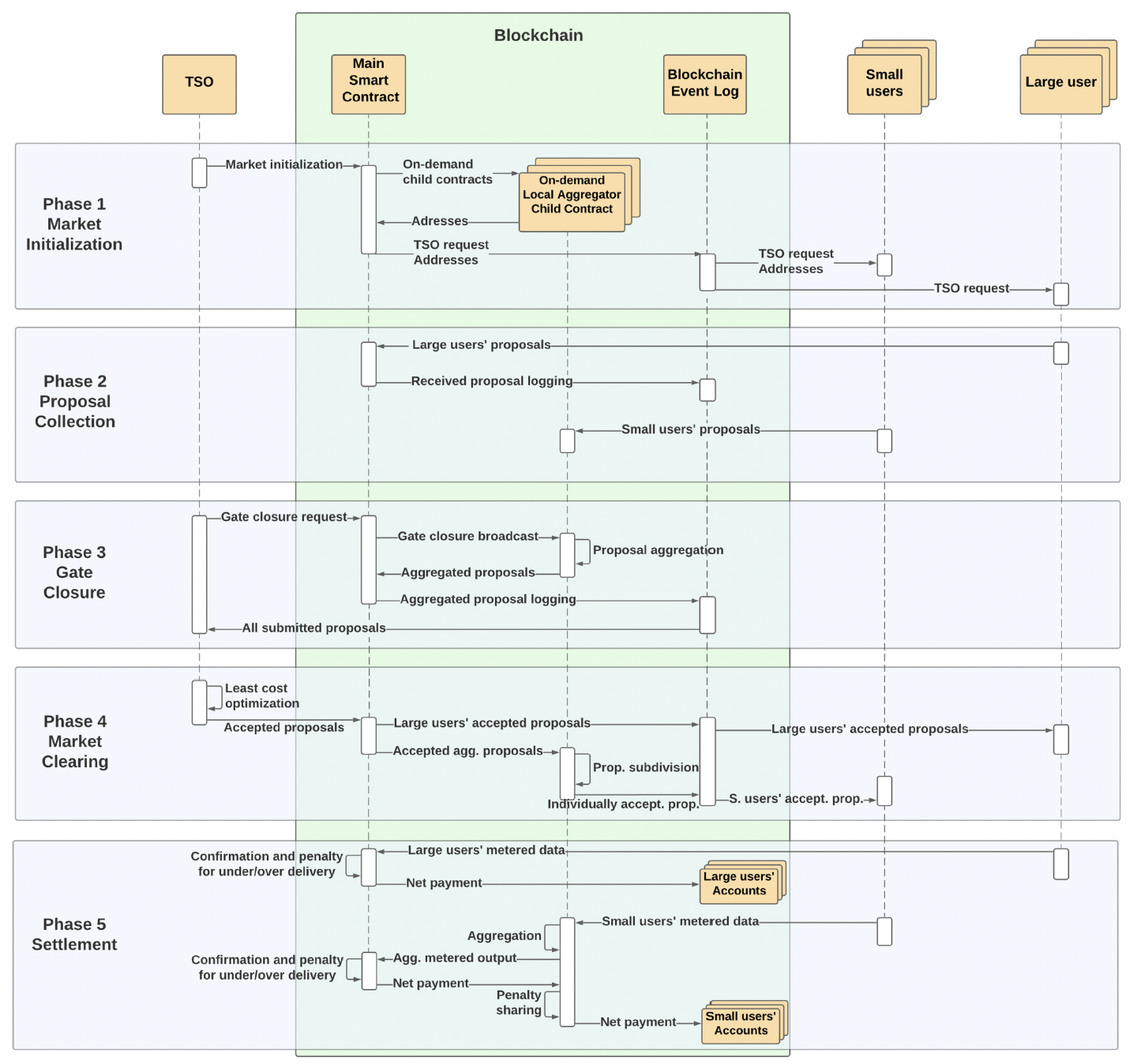
Blockchain Smart Contracts: Blockchain smart contracts offer programmable, trustless settlement infrastructure for energy transactions, and can unlock value from secondary ecosystem effects. We have developed novel flexibility aggregation smart contracts for the Great Britain Balancing Mechanism (Savelli et al., 2023), and explored decentralised autonomous structures for financing, governing, and disbursing revenues of battery storage systems (Bokkisam et al., 2022). We also developed a future-looking blueprint for energy market design in the era of central bank digital currencies, identifying valuable opportunities as well as critical risks (Savelli et al., 2024).
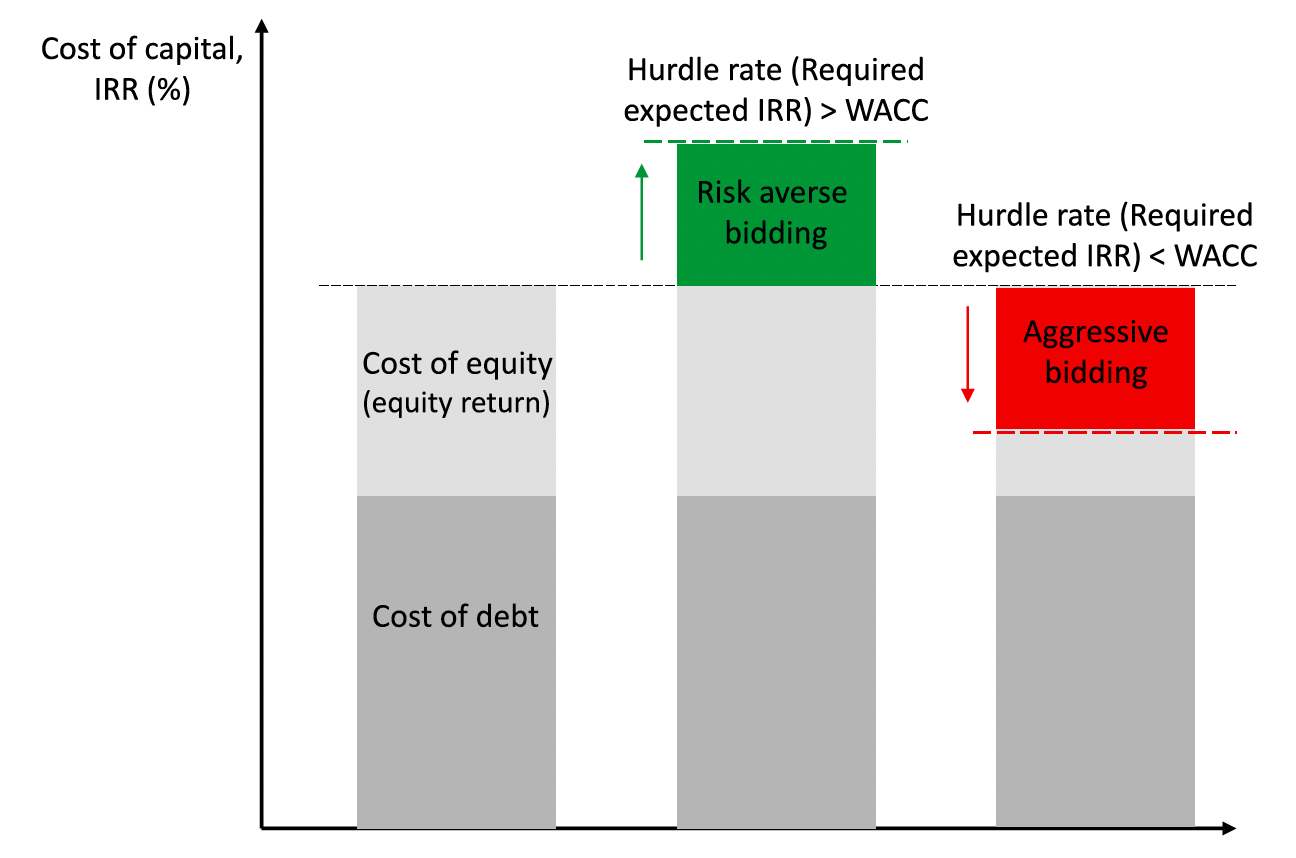
Locational Contracts-for-Difference (CfDs) & CfD Auction Game Theory: In (Savelli et al., 2022) we worked with DESNZ to design an enhancement for the UK Contracts-for-Difference scheme to internalise locational costs associated with network congestion and reserve requirements. A separate stream of research with Dr Ajit Pillai and EDF developed game theoretic models for CfD auctions (Kell et al., 2023) and uncertainty-aware bidding strategies (Kell et al., 2022).
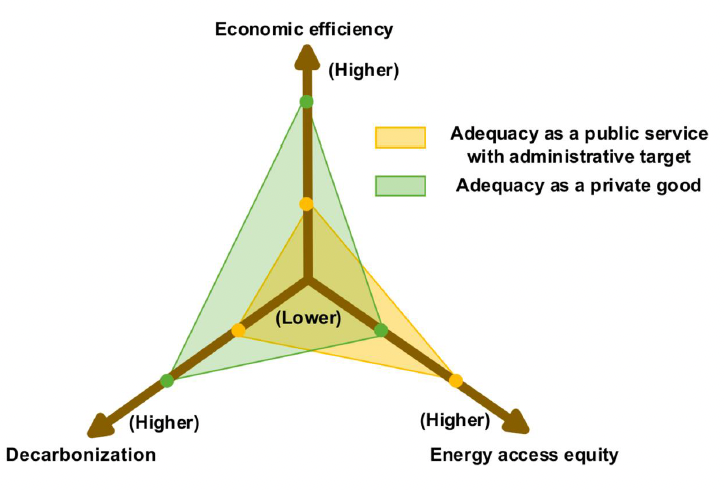
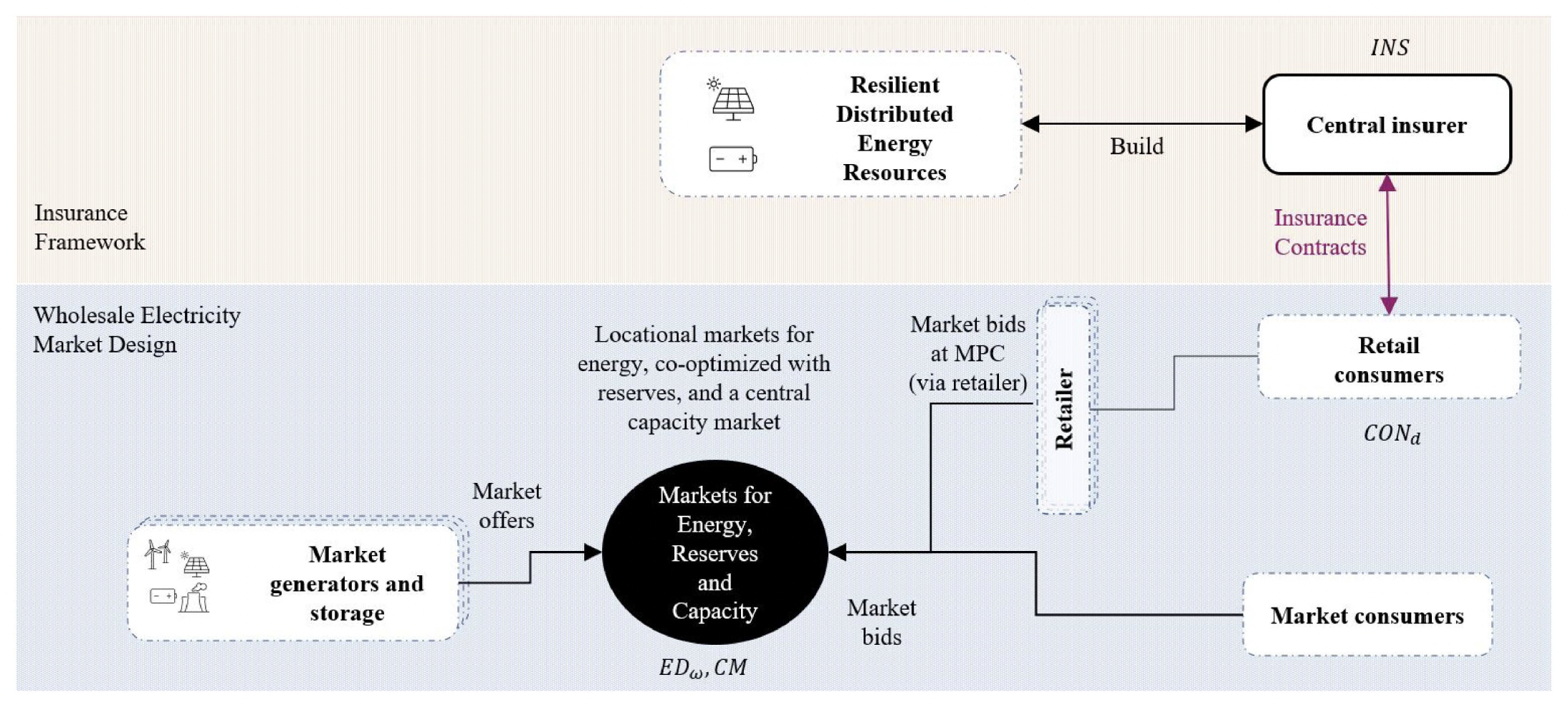
Making Resource Adequacy a Private Good: Electricity system resource adequacy has treated as a public good due to its assumed non-excludability. However, this now challenged by the rollout of grid-edge devices, which create significant demand-side flexibility, and digitalisation, which reduces the costs assocaited with customer-level control. In (Ren et al., 2024) we explore the new opportunity for resource adequacy to become a private good, and the potential economic and environmental benefits, as well as the challenges and ethical considerations that could be created. One implementation paradigm we have developed is reliability insurance, where end-customers could select insurance subscriptions with different levels of reliability, while their insurance counterparty would be motivated to diversify investments and contract with generators to reduce outage risks (Billimoria et al., 2023).
References
2025

2024

2023





2022
- IAEEDealing with uncertainty while developing bid strategy for CfD auctionsIn 43rd IAEE international conference, 2022