Power Systems Planning
Investment decisions in generation, transmission, and distribution infrastructure shape power system operation for decades. Getting these decisions right is increasingly difficult: the net-zero transition requires planning across a wider range of spatial and temporal scales, under greater uncertainty from variable renewables and flexible loads, and with growing interdependence between technical constraints, market incentives and government support schemes.
To address this, we develop robust decision-making support tools that reflect the true multi-scale, multi-actor complexity of infrastructure planning. To do this, we work to deeply understand the problems faced by decision-makers and develop solutions that are grounded in rigorous theory and take advantage of the latest advances in computational hardware and algorithms.
Key Research Streams
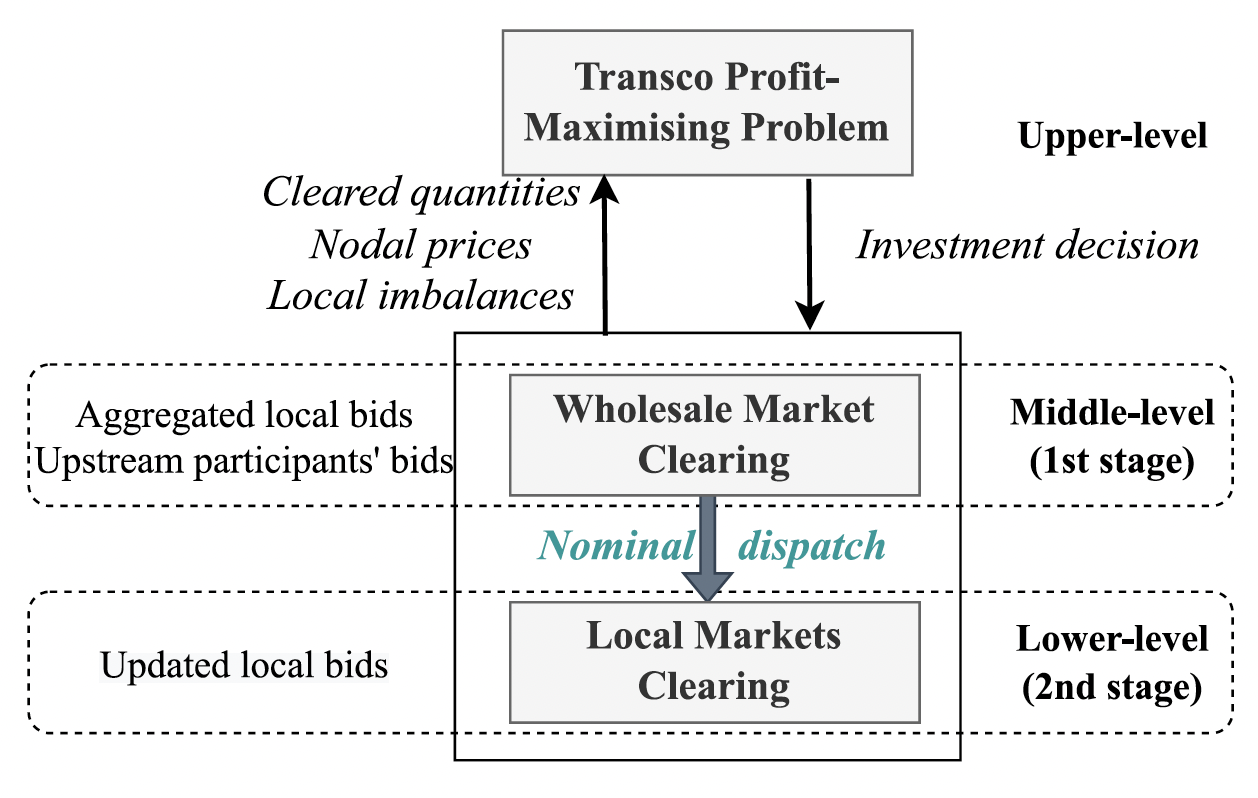
Multi-level Optimisation for Market-Aware Network Investment Planning : investment decisions must anticipate the outcomes of market operation. Multi-level lexicographic optimisation enables us to model how network investment decisions and cost recovery mechanisms are impacted by wholesale and local market design and operation (Xia et al., 2025). We have also used this approach to address investment cost-recovery in distribution networks with a mix of fixed and nodal pricing (Savelli & Morstyn, 2021) and coupling between electricity, gas and carbon markets (Xia et al., 2025).
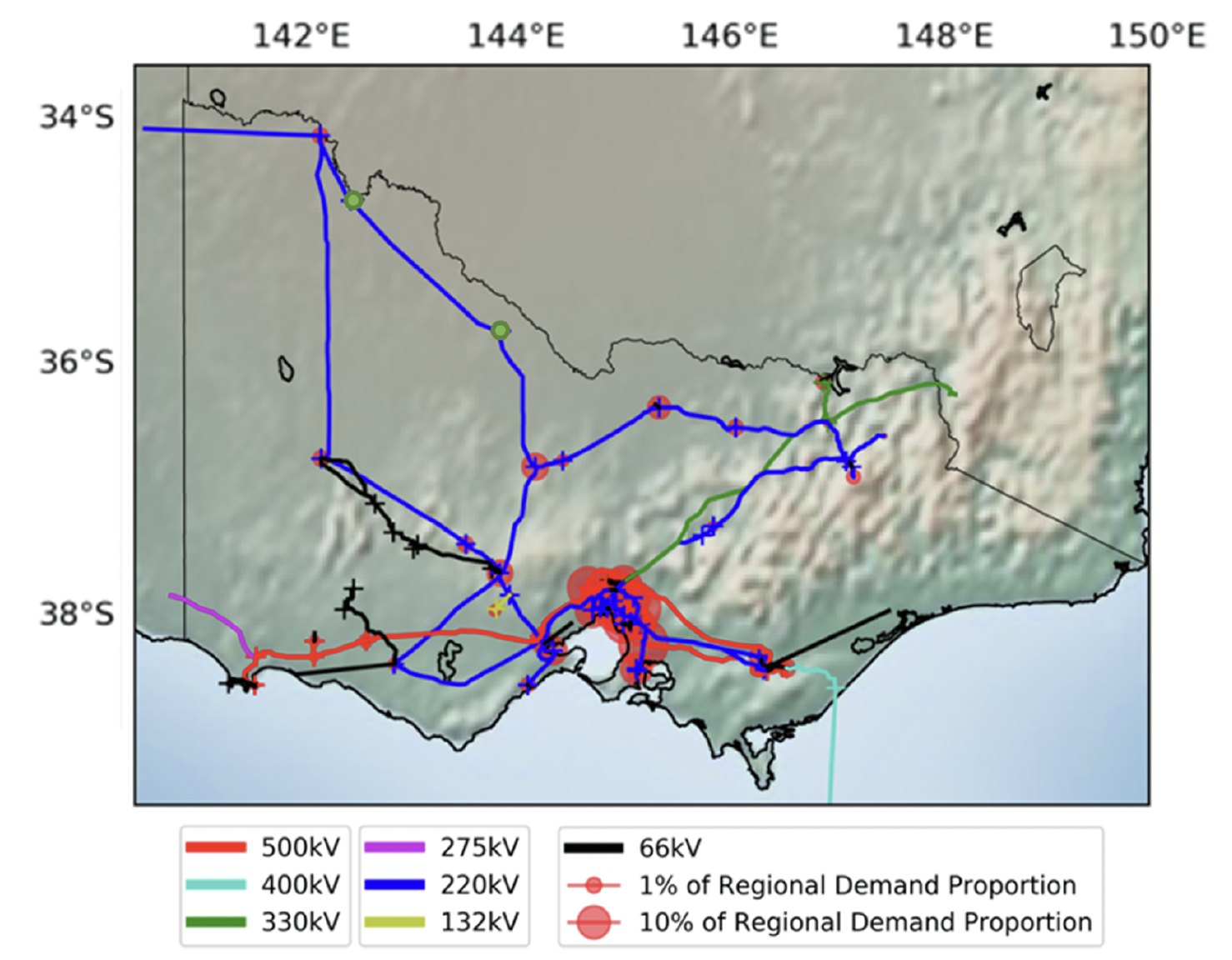
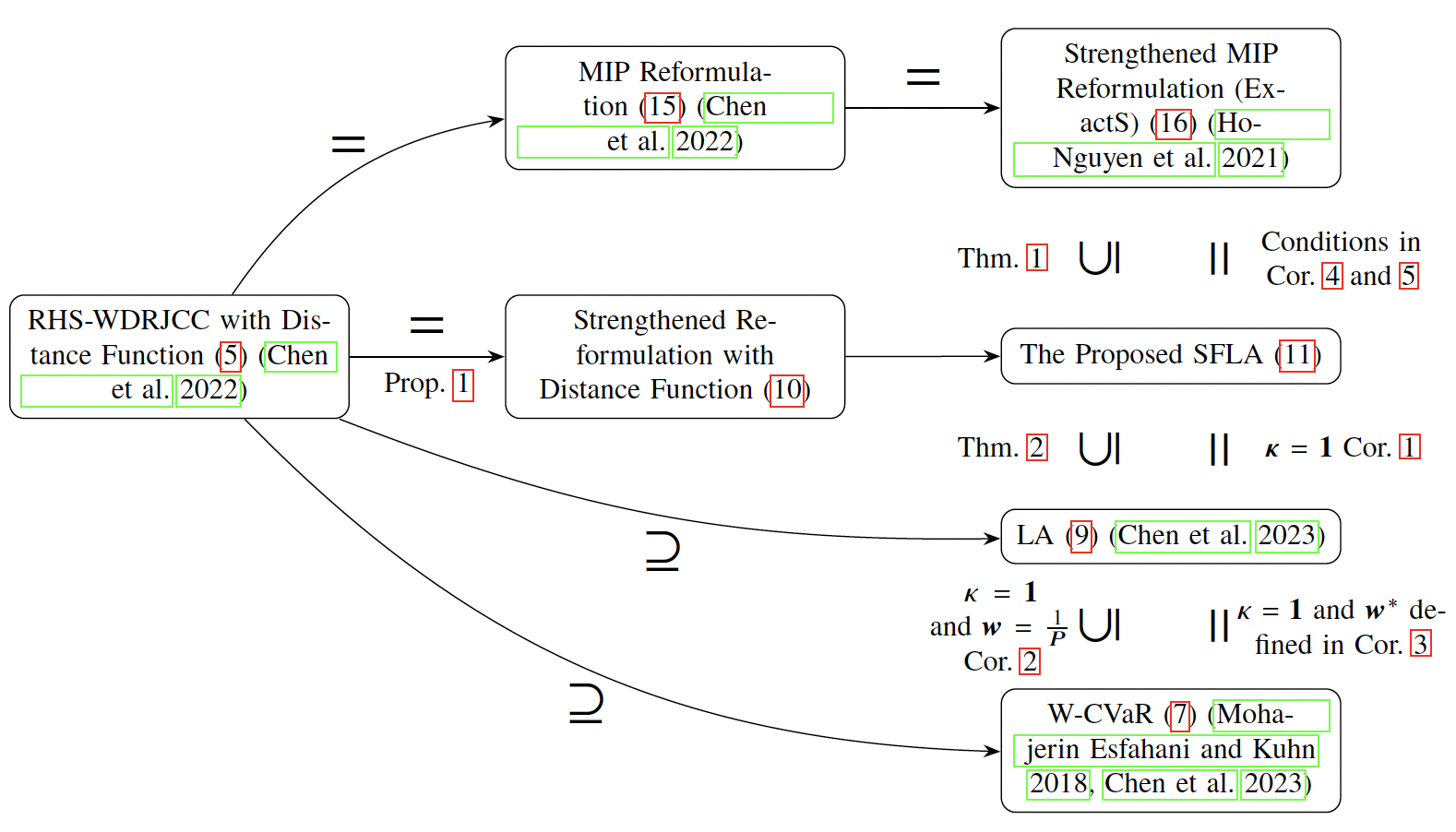
Optimisation Under Uncertainty: Data-driven distributionally robust optimisation enables decisions that are provably robust against true system uncertainty. However, computational complexity is the major barrier for practical implementation. We have developed a convex inner-approximation which provides 100x speedups without compromising safety and performance (Zhou et al., 2026). In, (Zhou et al., 2025) this was extended to problems with decision-coupled uncertainty. Important applications include unit commitment, automatic generation control (AGC) participation factor optimisation and transmission network planning (Xia et al., 2025).
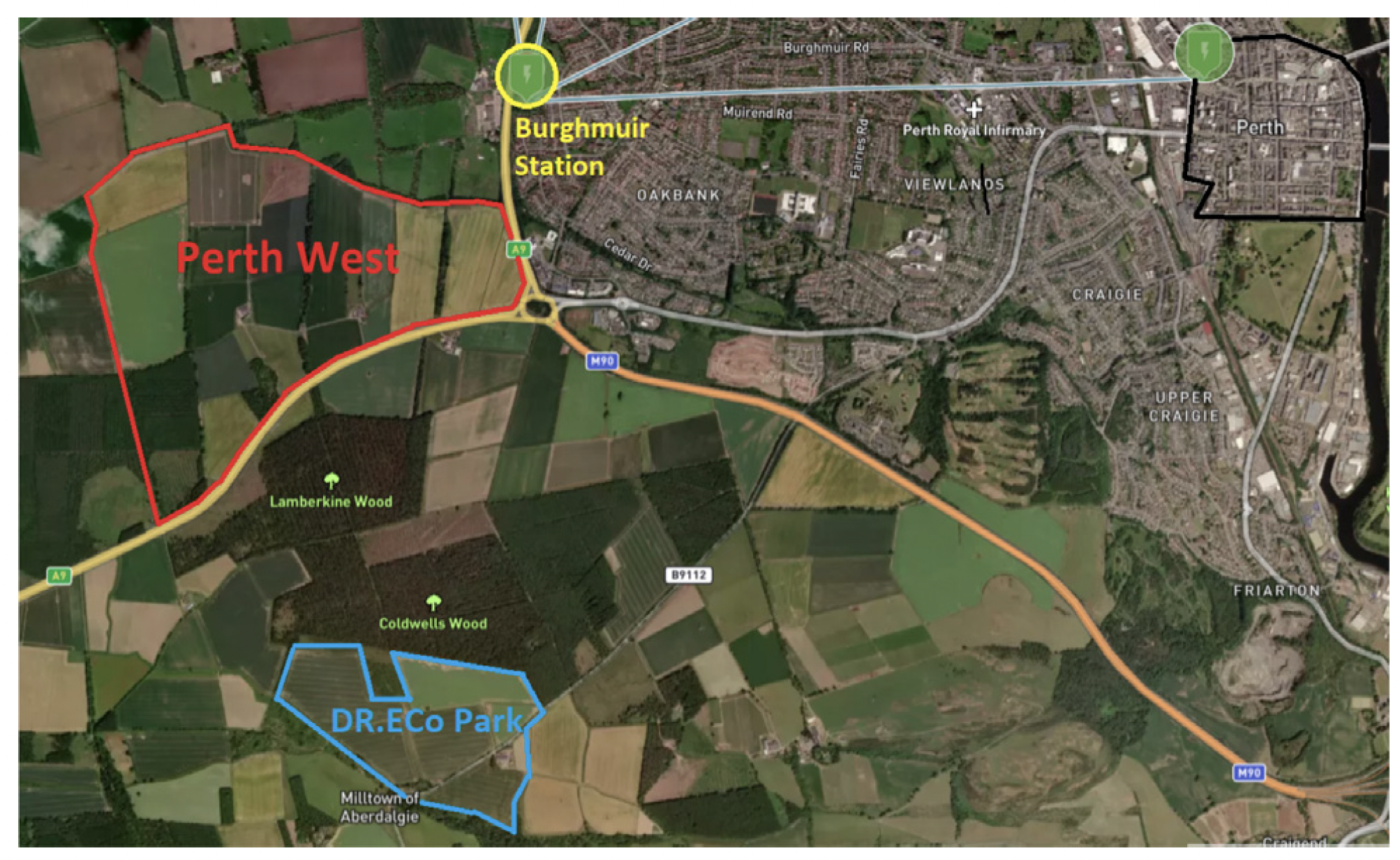
Smart Local Energy System Design: The concept of ‘smart local energy systems’ brings together a diverse set of new approaches for integrating and coordinating new grid-edge technologies, including microgrids, active distribution networks, energy communities and multi-energy hubs. We worked with the Perth West smart city project to develop optimal design approaches incorporating local renewables, electric vehicle smart charging and heat pump flexibility (Essayeh & Morstyn, 2023). Another stream of work has focused on how networked microgrids can help reduce transmission related wildfire risk without resorting to rolling blackouts (Yang et al., 2022). We also developed the framework of “smart energy neighbourhoods” where community cooperation is harnessed to achieve shared local energy objectives (Savelli & Morstyn, 2021).
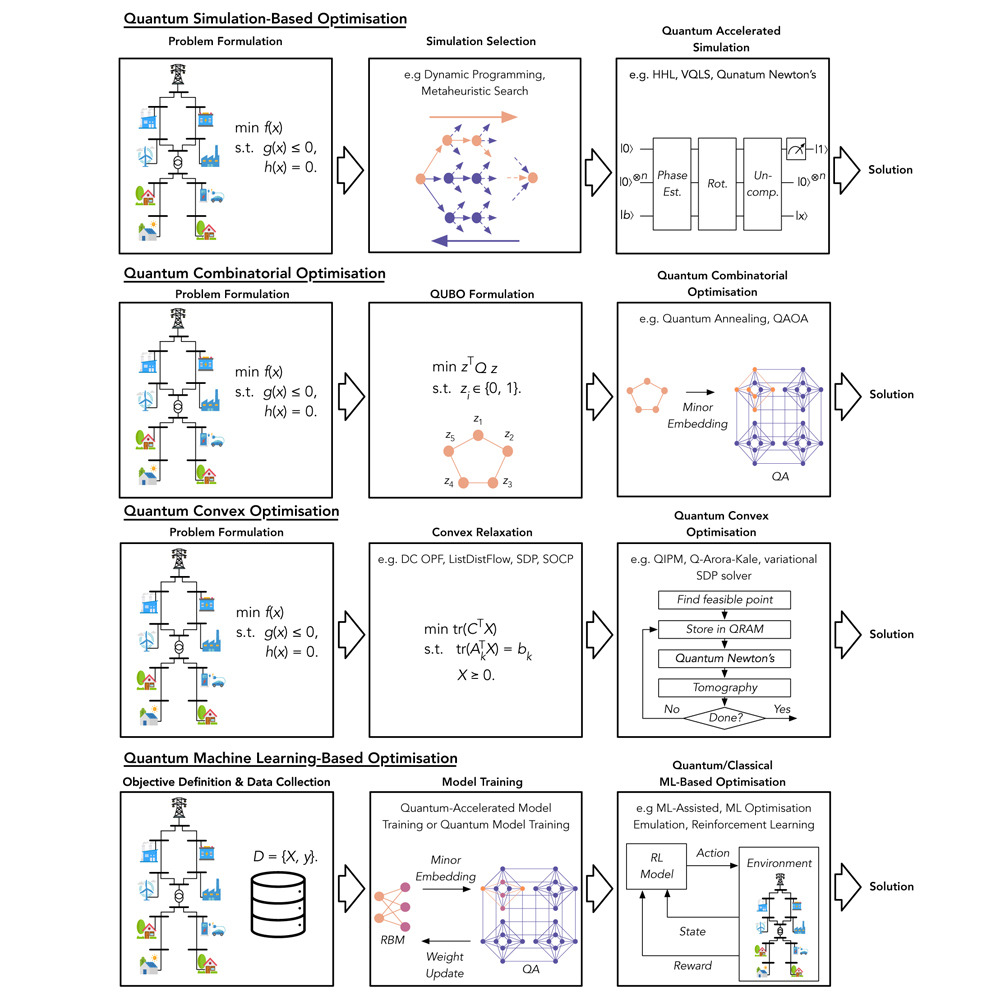
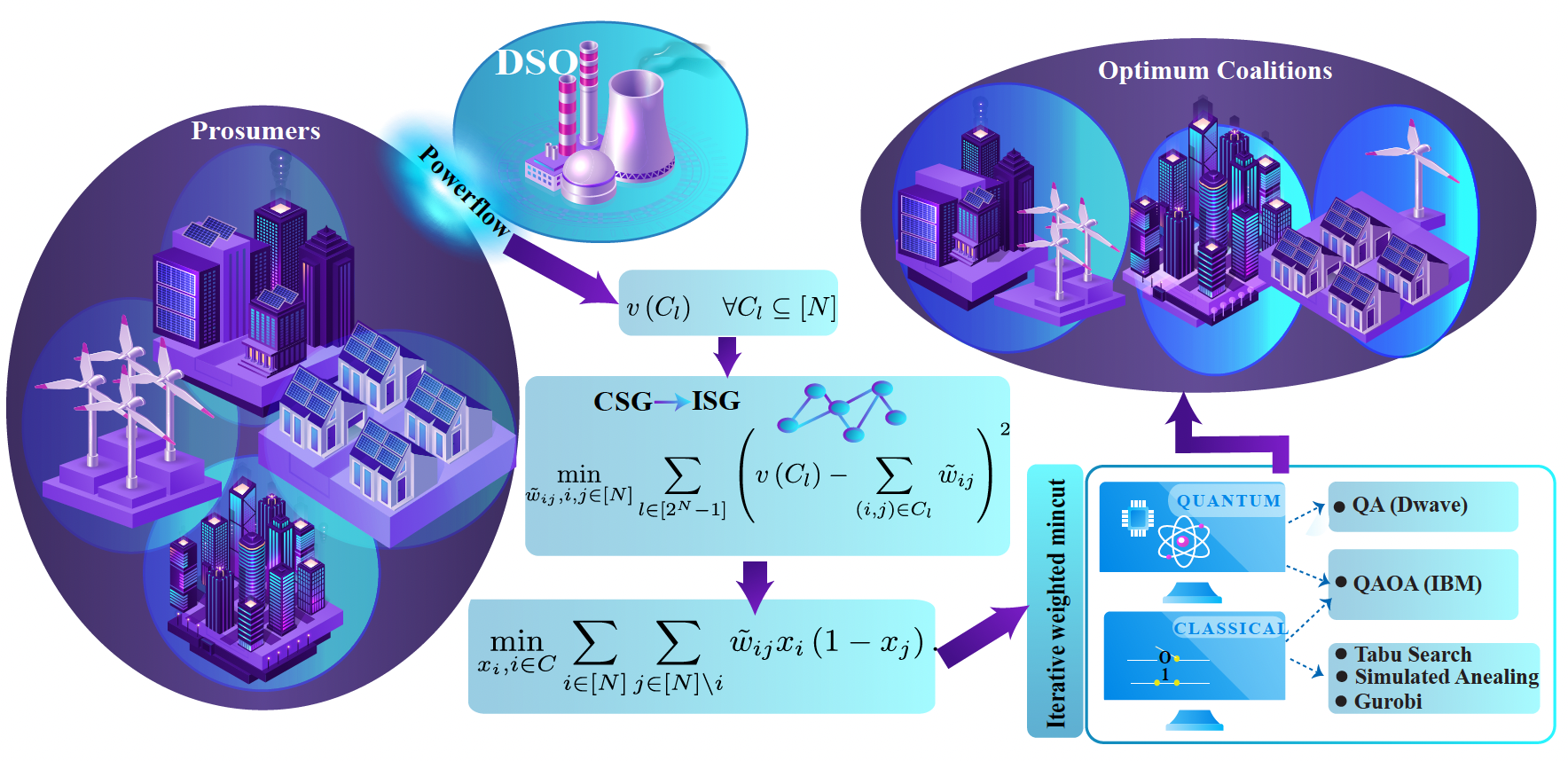
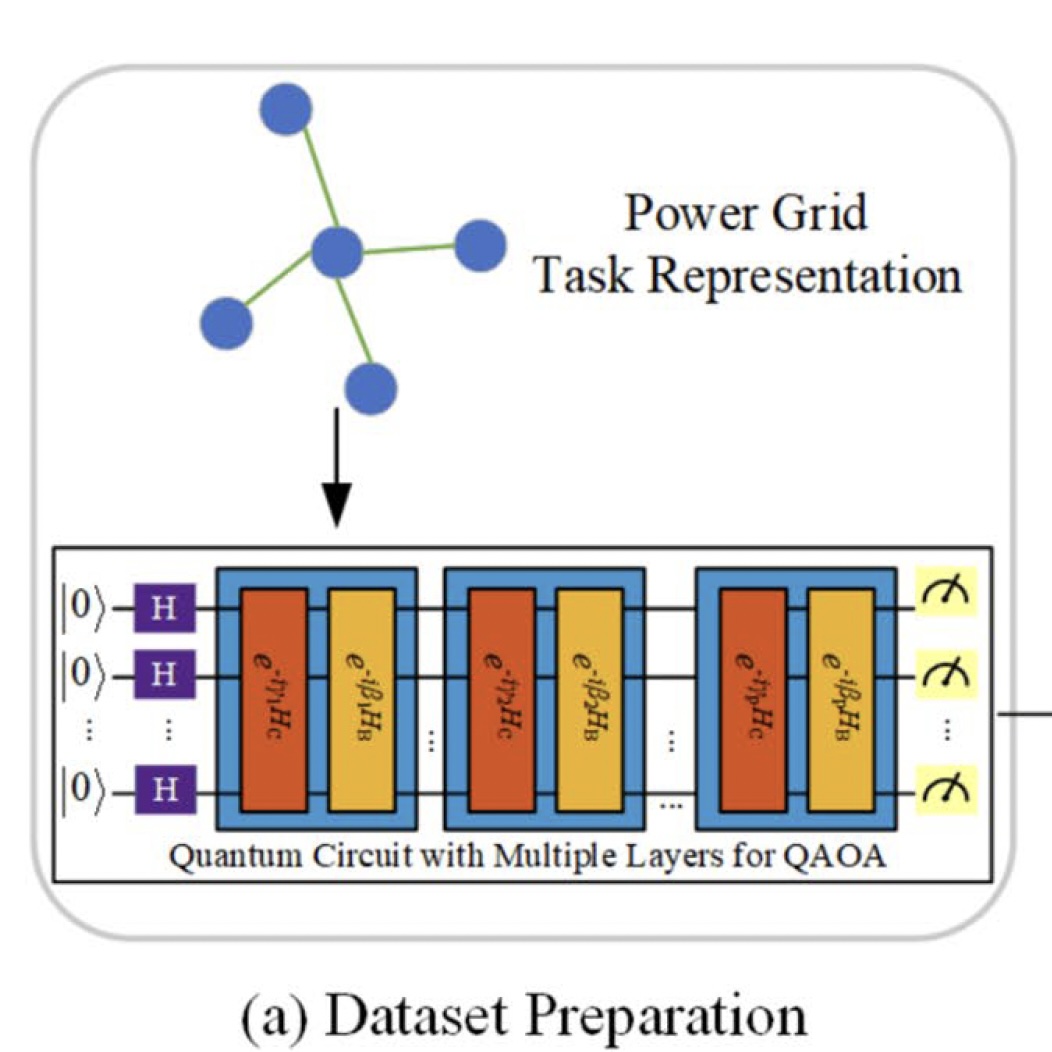
Quantum Computing for Power System Optimisation: Quantum computing offers a fundamentally new computational infrastructure with different capabilities and trade-offs, and is reaching a level of maturity where, for the first time, a practical advantage over classical computing is available for specific applications. Our research first proposed and demonstrated the use of annealing-based quantum computing to accelerate combinatorial optimal power flow problems (Morstyn, 2022). We also collaborated with E.ON on quantum computing for energy coalition formation (Mohseni et al., 2026), and with Prof. Yan Li on optimal phasor measurement unit (PMU) placement (Jiang et al., 2026). Our group’s team at the 2025 “Blaise Pascal Quantum Challenge” hackathon won 1st place (€15,000 prize) extending our research to neutral atom devices. A forward-looking review in Joule presents our view of the future opportunities in this area (Morstyn & Wang, 2024).
References
2026



2025
- arXiv
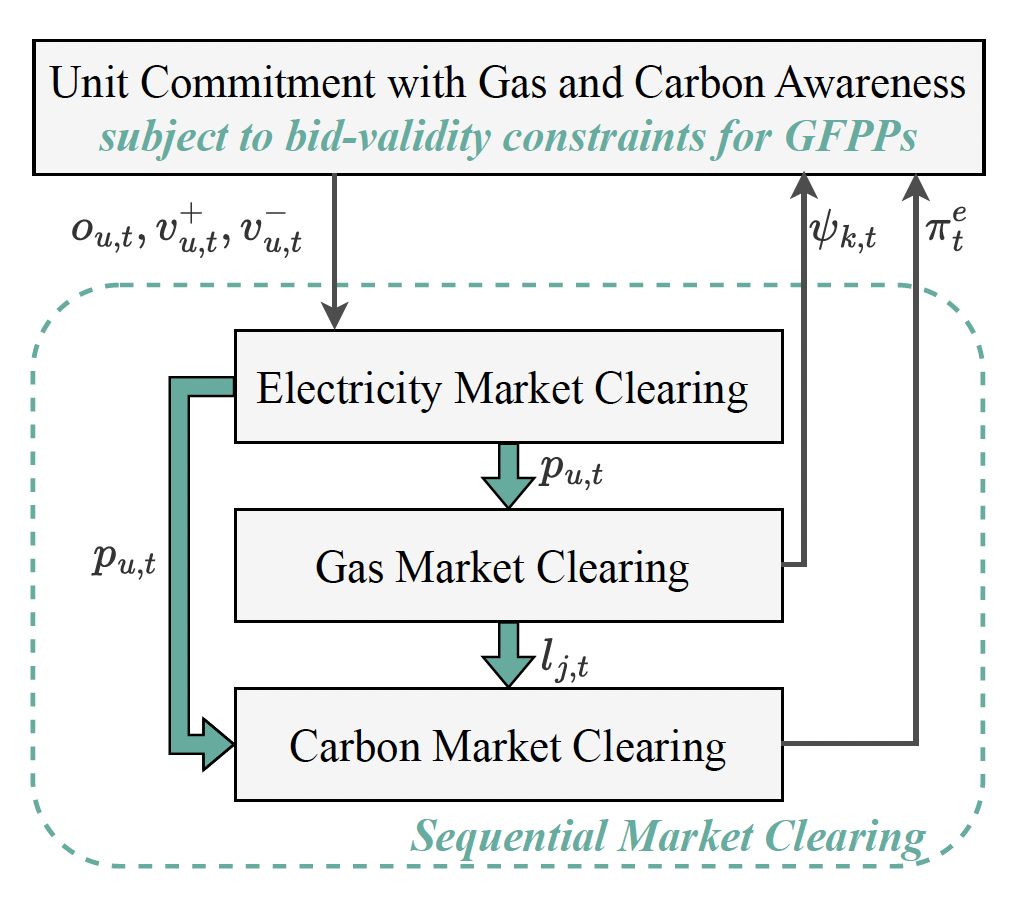 Scalable multi-level optimization for sequentially cleared energy markets with a case study on gas and carbon aware unit commitmentarXiv preprint arXiv:2502.13643, 2025
 - arXiv
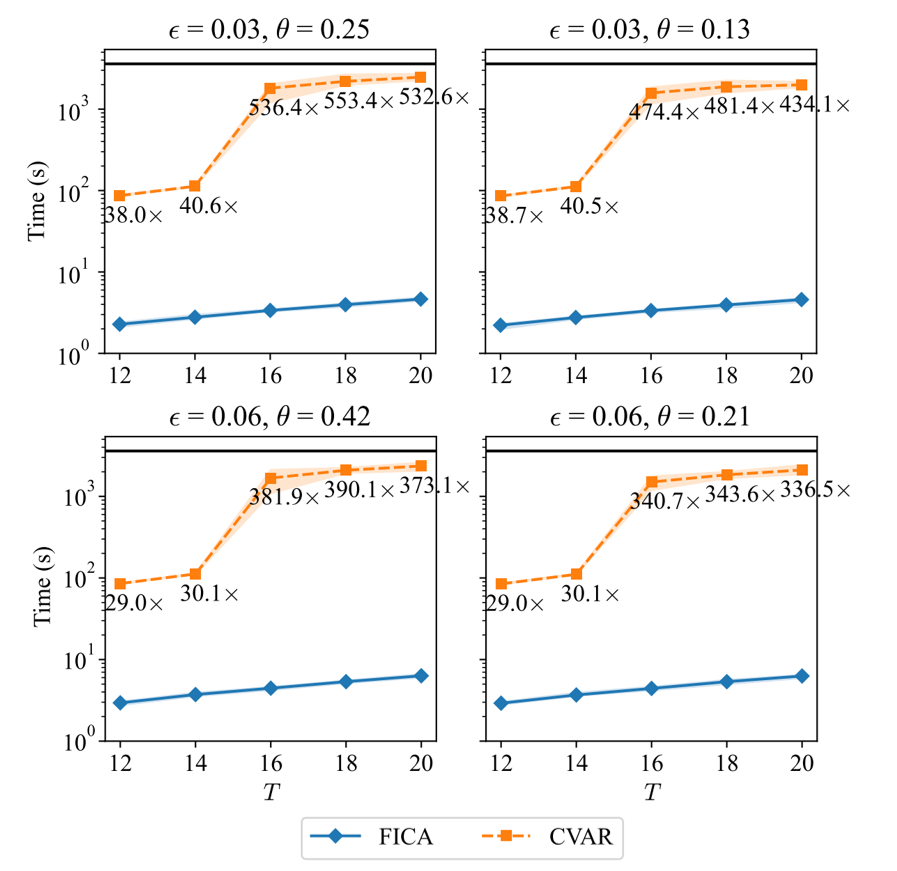 FICA: Faster Inner Convex Approximation of Chance Constrained Grid Dispatch with Decision-Coupled UncertaintyarXiv preprint arXiv:2506.18806, 2025
 - arXiv
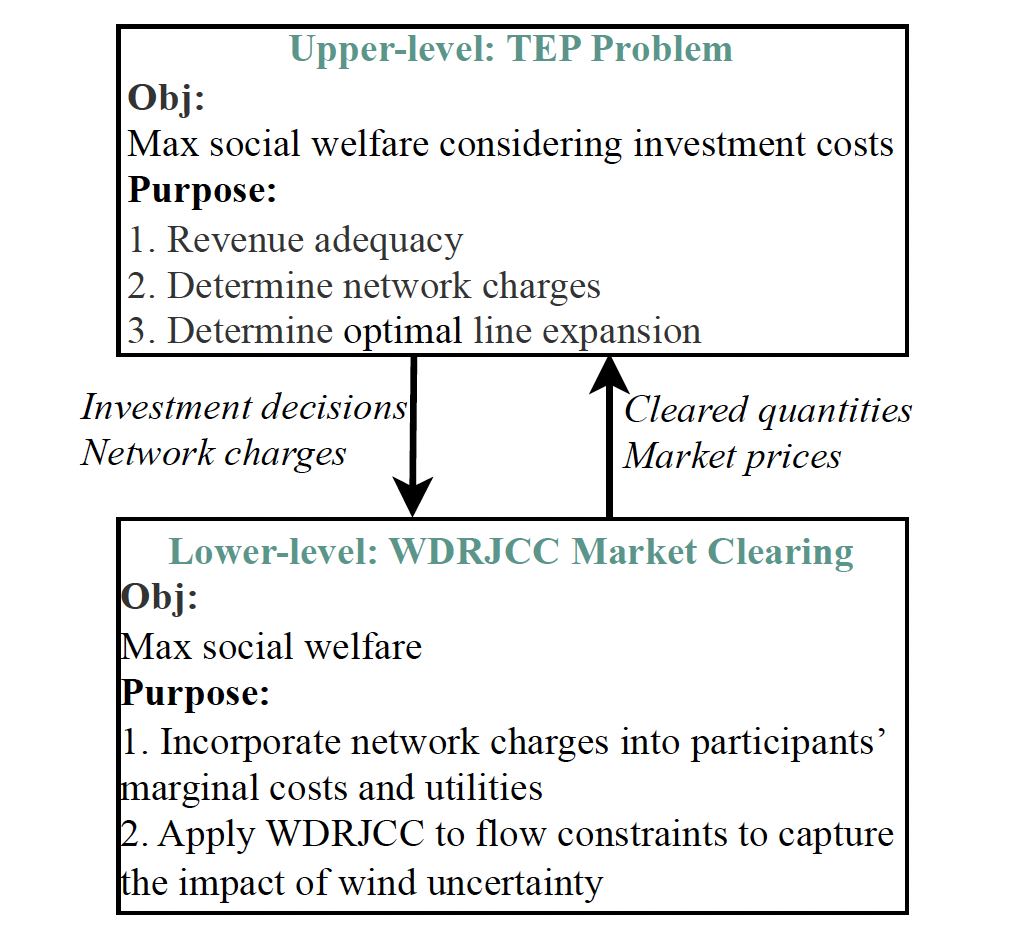 Bilevel transmission expansion planning with joint chance-constrained dispatcharXiv preprint arXiv:2505.11273, 2025